
The Concept of Luck in Gambling
Luck plays a pivotal role in the world of casino games, influencing players’ experiences and outcomes. The notion of luck is often tied to superstitions, rituals, and personal beliefs that can shape how individuals approach gambling. Many players attribute their successes or failures to luck, believing that certain behaviors, like wearing a “lucky” shirt or performing specific actions before placing a bet, can sway the odds in their favor. When looking for fun online, players might explore the best online casinos canada, which offer a variety of games that capitalize on this aspect of luck.
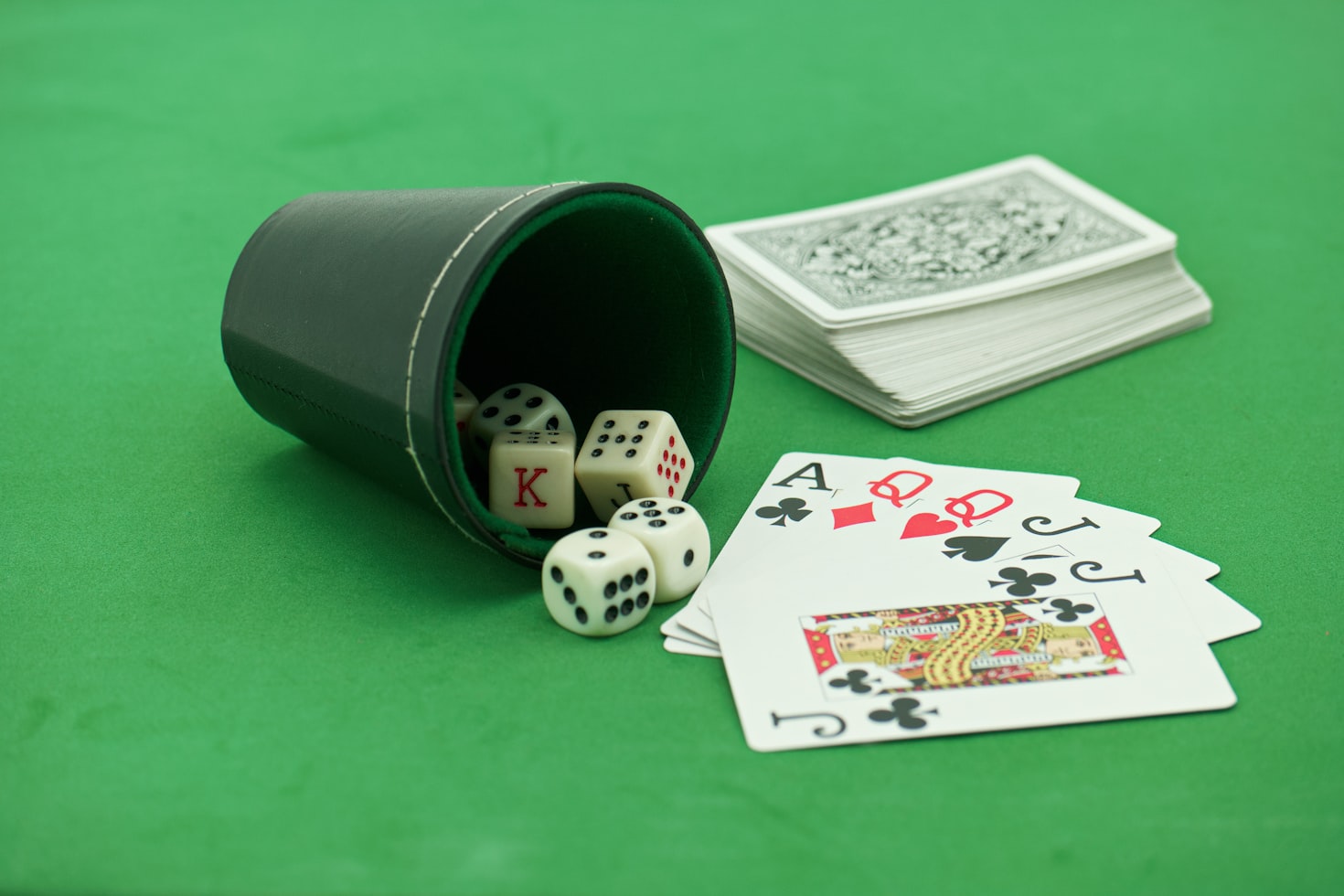
This psychological connection to luck can enhance the thrill of gambling and create a more immersive experience. Players often find themselves engaging in patterns or rituals that they believe will influence the “luck” of the game, revealing a deep psychological need for control in an environment dominated by chance.
The Role of Cognitive Biases
Cognitive biases significantly impact how players perceive luck in casino games. One common bias is the “gambler’s fallacy,” where individuals believe that past events can influence future outcomes in random games of chance. For instance, a player may think that a particular slot machine is “due” for a payout after a series of losses, leading them to invest more, despite the odds remaining constant.
Another relevant bias is the “illusion of control,” where players think they can influence random outcomes through their decisions and behaviors. This false sense of agency can lead to increased spending and prolonged play, as players chase their perceived luck, often overlooking the inherent odds that govern their games.
Emotional Factors in Casino Gameplay
The emotional landscape of casino gameplay is intricately tied to the perception of luck. Players often experience a rollercoaster of emotions, from elation after a win to frustration and despair after losses. These emotional highs and lows can influence players’ beliefs about luck, reinforcing the idea that luck is a tangible force that affects their gameplay.
Moreover, the social environment of casinos can amplify these emotions. The presence of other players and the collective excitement can create a sense of community and shared experience, further embedding the belief in luck. This dynamic can lead to a heightened state of arousal, influencing decision-making and potentially increasing the likelihood of risky bets.
The Impact of Game Design on Luck Perception
Casino games are meticulously designed to evoke feelings of luck and chance. Elements such as bright lights, engaging sounds, and interactive features are engineered to create a stimulating environment that enhances the perception of luck. For instance, slot machines often include celebratory sounds and animations when players win, reinforcing the connection between luck and reward.
Furthermore, game designers understand the psychological triggers that can make players feel fortunate. The anticipation generated by spinning reels or rolling dice can elicit a sense of hope and the possibility of winning, even when the odds are not in the player’s favor. This careful crafting of the gaming experience emphasizes the powerful psychology of luck in gambling.

Enhancing Your Online Casino Experience
Understanding the psychology of luck can significantly enhance your online casino experience. By being aware of cognitive biases and emotional responses, players can approach games with a more rational mindset, making informed decisions rather than relying solely on superstitions or feelings of luck. This awareness can lead to healthier gambling practices and a more enjoyable gaming environment.
Additionally, platforms that prioritize user security, like those using services such as Cloudflare, can offer peace of mind while engaging in online gambling. Ensuring a safe browsing experience enhances overall player satisfaction, allowing individuals to focus on their strategies and enjoyment of the games rather than worrying about potential online threats.